
What Is Neo-Noir? Unveiling the Style Behind The Solitaire Series
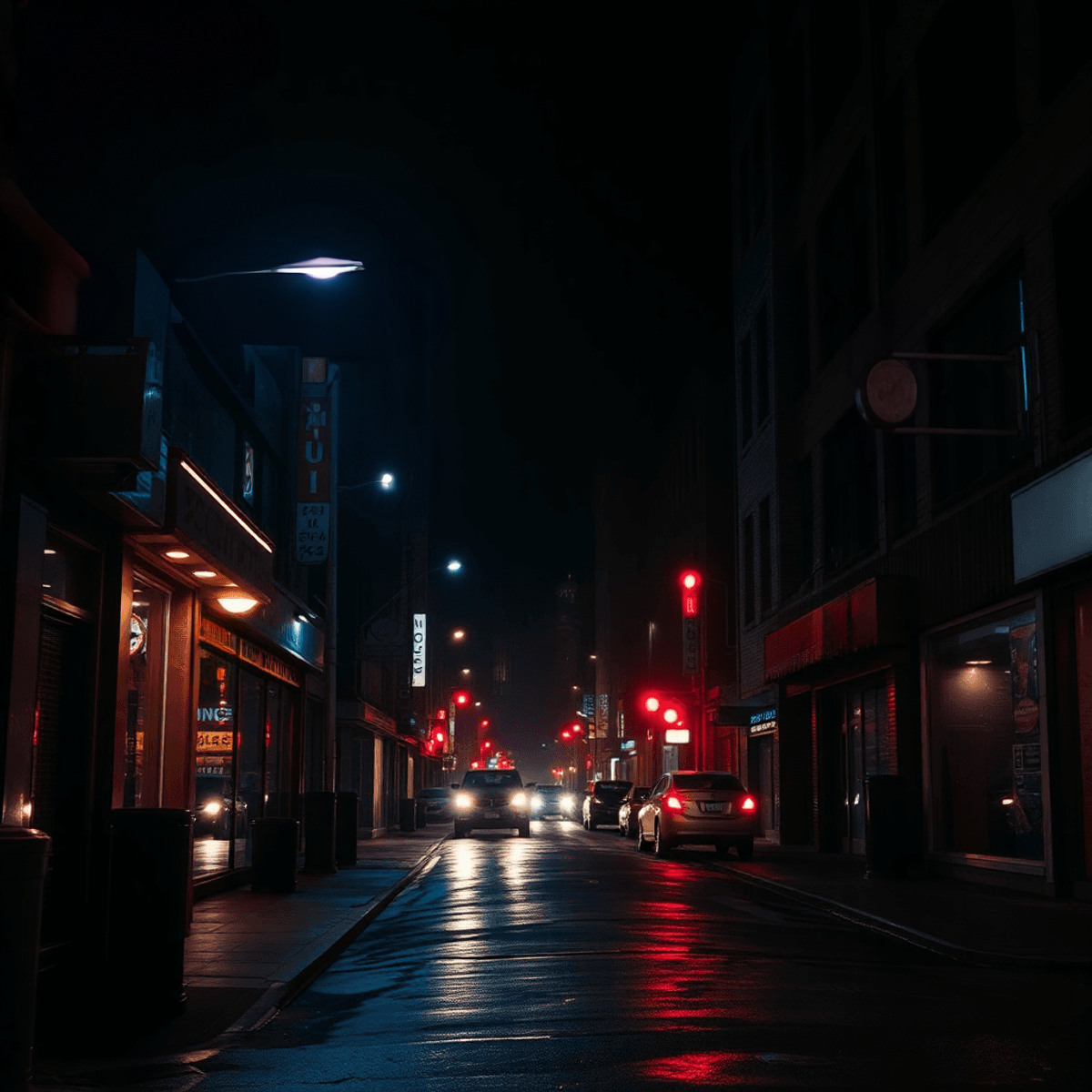
Neo-noir is a modern film genre that takes the visual style, themes, and sensibilities of classic 1940s and 1950s American film noir and adapts them for today's audiences. Unlike its predecessors, neo-noir explicitly portrays violence, sexuality, and moral ambiguity.
The term "neo-noir" became popular in the late 1970s and early 1980s.
The Solitaire Series is a prime example of how neo-noir elements can be effectively incorporated into modern storytelling.
Check out the series using the button below. All episodes are just .99 when purchased directly here.
Now, let's dive into Neo-noir and how it actually works in this series and others.
Classic Film Noir vs. Neo-Noir
Classic film noir is known for its dark cinematography, which creates a gloomy atmosphere reflecting the characters' inner conflicts and the morally uncertain world they live in. These films often have a pessimistic mood, representing the disillusionment and societal worries after the war.
On the other hand, neo-noir brings these visual and thematic elements up to date for today's viewers. In neo-noir, the visual style has evolved to include stronger contrasts between light and shadow, using techniques like unbalanced framing and Dutch angles to create a feeling of confusion and moral uncertainty. These artistic choices add depth to the stories and characters in neo-noir films.
Additionally, while classic film noir typically centered around individual psychological battles and crime stories, neo-noir broadens its themes to address modern problems such as corruption in society, advancements in technology, and existential crises. The themes explored in neo-noir reflect a wider range of concerns compared to the more straightforward crime-focused plots of classic film noir.
Characteristics and Stylistic Elements of Neo-Noir
Neo-noir films push boundaries by explicitly portraying violence and sexuality, often more overtly than classic film noir. This unapologetic depiction adds a layer of gritty realism to the narratives, intensifying the themes of moral ambiguity and character complexity. Characters in neo-noir stories are not simply good or bad but exist in a gray area, reflecting the blurred lines between right and wrong in contemporary society.
The exploration of moral ambiguity is a central theme in neo-noir storytelling. Unlike the clear dichotomy seen in classic film noir, characters in neo-noir narratives often navigate complex ethical dilemmas and questionable choices that challenge conventional notions of morality. This nuanced approach adds depth to the characters and resonates with audiences grappling with modern-day uncertainties.
Moreover, neo-noir differentiates itself by infusing modern sensibilities into its character development and plot structures. By addressing current social issues, technological advancements, and evolving cultural norms, neo-noir maintains relevance while reinterpreting traditional noir elements for contemporary audiences. This fusion of classic aesthetics with a modern lens creates a dynamic storytelling experience that captivates viewers and readers alike.
Innovative Techniques in Neo-Noir Filmmaking
Neo-noir films stand out for their experimental narrative structures that intensify suspense and deepen intrigue. Unlike the linear storytelling of classic noir, neo-noir often employs:
- Non-linear timelines that reveal crucial plot points out of sequence, keeping the audience guessing.
- Unreliable narrators who distort reality, forcing viewers to question what is true.
- Fragmented editing and jump cuts which create a disorienting effect, mirroring characters’ psychological instability.
These techniques serve to immerse you in the characters' fractured realities and moral uncertainties, reinforcing the genre’s trademark ambiguity.
Genre-blending plays a significant role in pushing neo-noir beyond traditional boundaries, mixing elements from:
- Science fiction, as seen in Blade Runner, where futuristic dystopia merges with noir aesthetics.
- Psychological thriller, adding layers of mind games and paranoia.
- Horror and supernatural themes, introducing eerie or surreal components that challenge the noir framework.
This fusion expands storytelling possibilities, allowing filmmakers to explore complex social issues while maintaining the dark mood and style of noir. The Solitaire Series exemplifies this approach by combining crime drama with psychological depth and stylistic innovation, crafting a rich neo-noir experience in audio that feels both familiar and fresh.
The Influence of Neo-Noir on Literature and Cinema
Neo-noir is a modern take on the classic film noir genre, which emerged in the 1940s and 1950s. While film noir primarily focused on crime and detective stories, neo-noir has expanded its scope to include various themes and narratives. This evolution has had a significant impact on both literature and cinema, shaping the way dark stories are told.
From Classic Noir to Contemporary Dark Fiction
The roots of neo-noir can be traced back to classic noir films such as "Double Indemnity" and "The Maltese Falcon." These movies introduced audiences to morally ambiguous characters, intricate plots, and a sense of pessimism. Over time, these elements found their way into literature, giving rise to contemporary dark fiction.
Contemporary dark fiction encompasses a wide range of works that explore the darker aspects of human nature. Authors like Gillian Flynn ("Gone Girl") and Cormac McCarthy ("No Country for Old Men") have embraced the themes established by film noir while adding their unique perspectives. This blending of genres has resulted in captivating stories that challenge traditional notions of good and evil.
Sub-Genres within Neo-Noir Literature
Just like its cinematic counterpart, neo-noir literature has birthed several sub-genres that cater to specific interests. These sub-genres often borrow elements from other genres while retaining the core characteristics of neo-noir.
Some notable sub-genres within neo-noir literature include:
- Psychological Thriller: This sub-genre delves into the minds of its characters, exploring their motivations and fears. Books like "The Girl on the Train" by Paula Hawkins exemplify this blend of psychological insight with suspenseful storytelling.
- Dystopian Noir: Combining elements of dystopia with noir aesthetics, this sub-genre presents bleak futures where corruption reigns supreme. Works such as "Altered Carbon" by Richard K. Morgan showcase how societal decay can be depicted through a noir lens.
Complex Characters in Neo-Noir Literature
One defining characteristic of neo-noir literature is its portrayal of complex characters. Unlike traditional heroes or villains, these characters often exist in shades of gray—neither entirely good nor completely evil.
In neo-noir stories, protagonists may engage in morally questionable actions or make flawed decisions. This complexity adds depth to their personalities and makes them relatable to readers. It also challenges conventional storytelling tropes by presenting anti-heroes who defy expectations.
Authors like Tana French ("In the Woods") excel at crafting multi-dimensional characters whose motivations are not easily decipherable. By blurring the lines between right and wrong, these authors invite readers to grapple with ethical dilemmas alongside their protagonists.
The influence of neo-noir extends beyond literature into cinema as well. Filmmakers such as David Fincher ("Se7en") and Christopher Nolan ("Memento") have drawn inspiration from both classic film noir and contemporary dark fiction in creating their works.
As we continue our exploration into the world of neo-noir, let us now turn our attention towards its impact on cinema—how it has shaped storytelling techniques, visual aesthetics, and character archetypes in films today.
Notable Examples of Neo-Noir Films, Directors, and Their Impact on The Solitaire Series' Style
Chinatown and Blade Runner are two of the most important films in the neo-noir genre. They both pushed the boundaries of storytelling and visual style in their own ways.
How Chinatown and Blade Runner Redefined Noir
Chinatown explores themes of corruption and moral decay beneath a shiny surface. It uses complex plot twists and muted colors to create a dark and moody atmosphere, similar to classic film noir, while also addressing modern social issues.
Blade Runner, on the other hand, combines elements of science fiction with noir. It presents a dystopian world filled with darkness and rain, where questions about identity and humanity add depth to the genre's philosophical themes.
Both films show how neo-noir takes the core elements of film noir and updates them by combining style with existential exploration.
Directors Who Expanded Neo-Noir's Scope
Directors such as David Lynch and Quentin Tarantino have played a significant role in broadening the scope of neo-noir through their unique approaches:
- David Lynch uses surrealism and dreamlike logic to delve into psychological darkness. His works often blur the line between reality and nightmare, intensifying neo-noir's themes of alienation and fragmented identity.
- Quentin Tarantino incorporates sharp dialogue, nonlinear storytelling, and graphic violence to craft neo-noir narratives that feel both nostalgic and refreshingly new. His focus on stylized brutality and references to popular culture redefines expectations within the genre.
The Influence on The Solitaire Series
The Solitaire Series draws inspiration from these influences by combining complex moral dilemmas with visually striking compositions reminiscent of Chinatown’s framing and Blade Runner’s neon-lit cityscapes. The intricate narratives reflect Lynch’s mysterious storytelling style, while moments of intense conflict showcase Tarantino’s impact on pacing and tension. This blending of traditional and contemporary neo-noir elements shapes the series into a captivating modern work within the genre.
Conclusion
The Solitaire Series exemplifies key neo-noir elements through its:
- Visual imagery told through sound that echoes classic noir shadows while embracing modern techniques
- Morally ambiguous narratives that challenge traditional hero-villain dynamics, immersing you in complex character psychology and ethical uncertainty
- A blend of explicit themes—violence, sexuality, and social alienation—that resonate with contemporary audiences
What Is Neo-Noir? Exploring the Style Behind The Solitaire Series reveals how this genre remains vibrant by adapting timeless motifs to new storytelling frontiers. Its appeal endures because it mirrors our conflicted reality, making neo-noir a powerful lens for both literature and cinema today.
FAQs (Frequently Asked Questions)
What defines the neo-noir genre, and how is it exemplified in The Solitaire Series?
Neo-noir is a modern film genre characterized by its incorporation of classic noir elements such as moral ambiguity, dark cinematography, and pessimistic moods, while integrating contemporary themes like explicit violence and sexuality. The Solitaire Series serves as a prime example by effectively blending these neo-noir stylistic elements into modern audio storytelling.
How does neo-noir differ from classic film noir in terms of visual style and themes?
While classic film noir features dark cinematography and pessimistic moods, neo-noir evolves these aspects by employing innovative visual techniques such as light and shadow contrast, unbalanced framing, and Dutch angles. Thematically, neo-noir emphasizes modern sensibilities including complex moral ambiguity and explicit portrayals of violence and sexuality, distinguishing it from its predecessor.
What are the key characteristics and stylistic elements commonly found in neo-noir films?
Neo-noir films typically showcase explicit violence and sexuality, explore moral ambiguity within characters and narratives, and incorporate modern sensibilities in both character development and plot structure. These elements combine to create a distinct style that challenges traditional storytelling norms.
What innovative filmmaking techniques are used in neo-noir to enhance suspense and storytelling?
Neo-noir filmmakers often employ experimental narrative structures and genre-blending approaches to push the boundaries of traditional storytelling. These techniques help create suspense and intrigue by weaving complex plots that engage audiences on multiple levels.
How has neo-noir influenced literature and cinema beyond film?
Neo-noir has significantly impacted the evolution of dark fiction literature by inspiring various sub-genres such as psychological thrillers and dystopian noir. It also introduced complex characters marked by moral ambiguity and flawed nature, extending its thematic depth beyond cinema into contemporary literature.
Which notable films and directors have shaped the neo-noir genre's evolution, particularly influencing The Solitaire Series?
Iconic neo-noir films like Chinatown and Blade Runner have contributed thematic depth and visual innovation to the genre. Influential directors such as David Lynch and Quentin Tarantino have further shaped neo-noir through their unique styles. Their works have directly impacted The Solitaire Series' development as a contemporary neo-noir audio series.